OUR PARTNERS

OUR PARTNERS
Kate Edmondson is the founder of Home Edited, a professional home organisation service helping clients across Kent, Sussex and South East London create calm, organised homes through home detox, organisation, unpacking and home set-up services.
In this blog, Kate shares her top tips on how to bring order and calm to your home, and explains how she works with Rencraft clients to bridge the gap between beautiful design and everyday living.

The kitchen has long been considered the heart of the home, but increasingly it has become something else too: a workspace, a homework station, a social hub, a charging point, and somewhere amongst all of that, a place to cook. It’s no surprise, then, that even the most beautifully designed kitchens can begin to struggle to keep up with the demands of everyday life.
As a professional organiser and founder of Home Edited, I’m often invited into homes at the point where people feel frustrated by their space and Home Edited was created from a simple belief: that outer order contributes to inner calm.
We work with busy families and professionals to create organised, functional homes that support daily life, whether that’s preparing a property for sale, unpacking after a move or transforming spaces that have become difficult to manage. Interestingly, it’s rarely a lack of storage that causes frustration. More often, it’s because the storage isn’t working in harmony with how people actually live, alongside the overwhelm that can build when our belongings begin to outgrow the spaces designed to contain them. This is where thoughtful design makes all the difference.
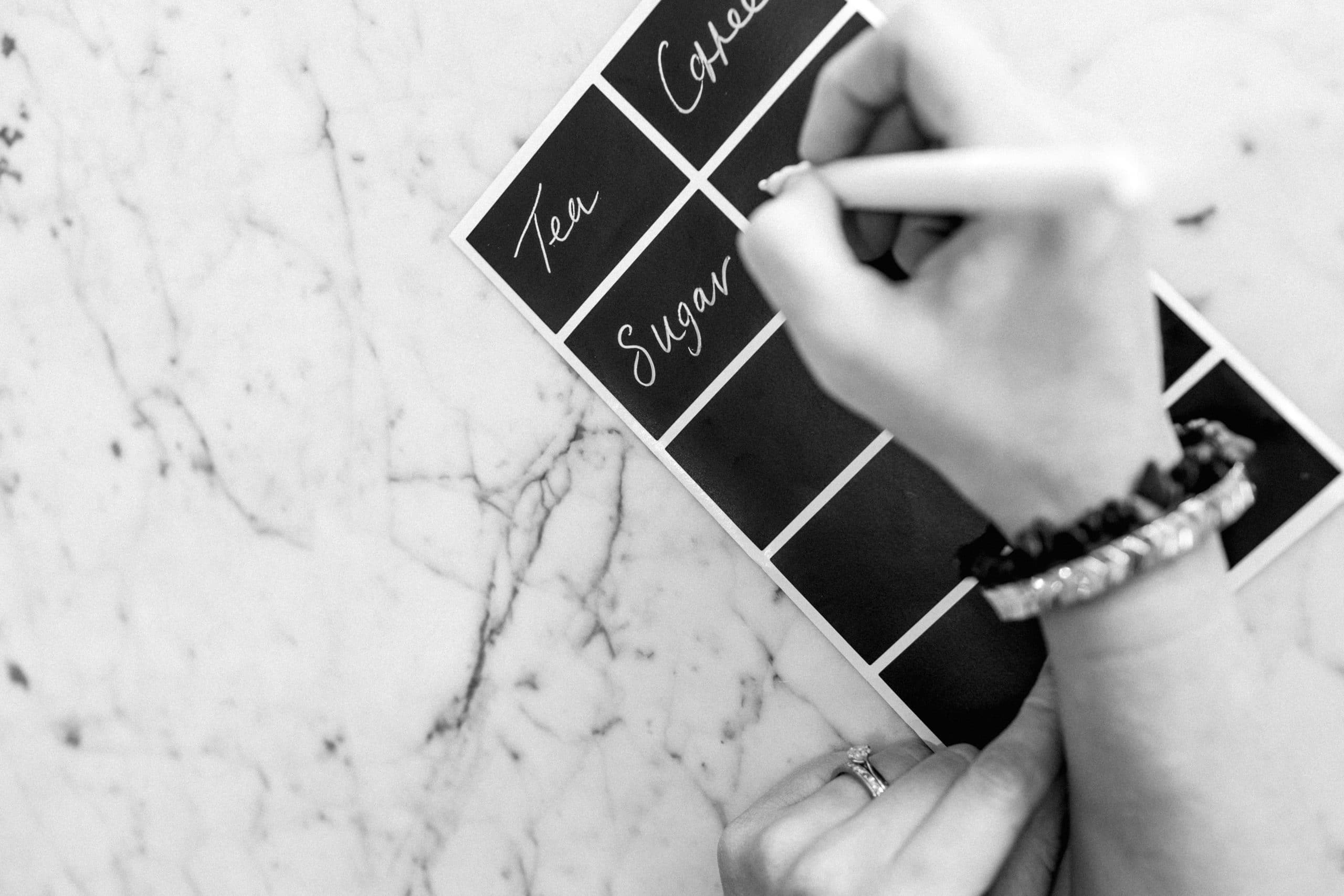
Having worked alongside several Rencraft projects, one of the things I admire most is the consideration given to how a space functions as well as how it looks. Whether it’s a bespoke kitchen, pantry, utility room, boot room, dressing room or fitted storage elsewhere in the home, their joinery is designed around the needs of the people using it. Deep drawers where they’re needed, clever internal solutions and layouts tailored to the routines of the household create spaces that feel intuitive and easy to use.
When I work with clients following a renovation or installation, my role is often to help bridge the gap between beautiful design and daily living. Together, we establish practical systems that make the most of the storage already available, creating designated homes for everything from breakfast essentials and lunchbox supplies to seasonal clothing, household paperwork and family belongings.
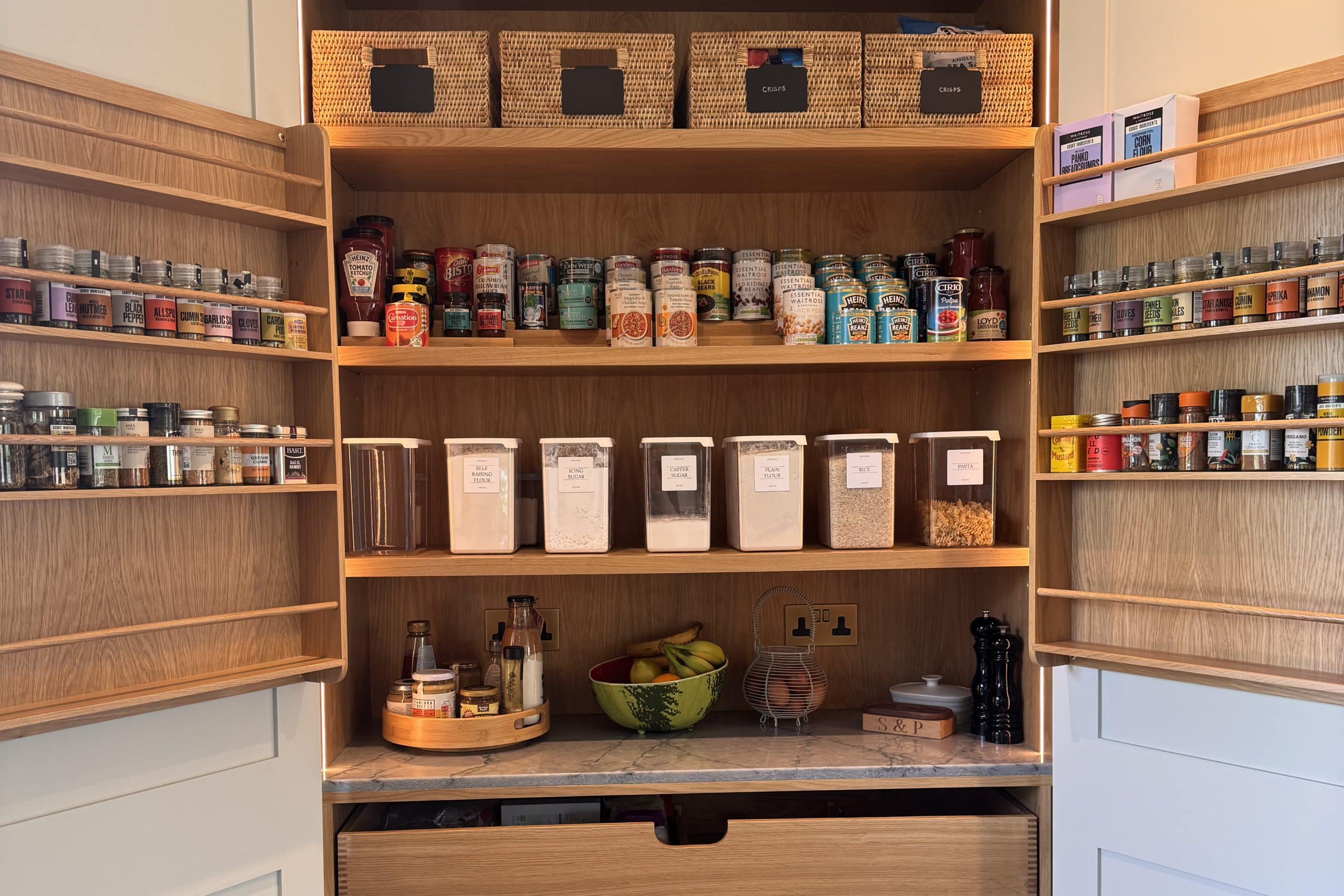
The goal isn’t perfection. In fact, perfection rarely survives family life. Instead, it’s about creating spaces that support the rhythms of the household. Rooms where everyone knows where things belong. Where surfaces stay clearer because storage is easier to use. Where putting things away requires less effort than leaving them out. The most successful spaces aren’t necessarily the ones that look immaculate in a photograph. They’re the ones that continue to function beautifully months and years later, adapting as families grow and routines change.
At Home Edited, we focus on creating sustainable systems tailored to the people living in the home. Whether we’re organising a newly installed pantry, designing systems for a utility room or helping a family settle into bespoke fitted storage throughout their home, our aim is always the same: to make organisation feel effortless to maintain, not another task on an already busy to-do list.
Good design creates the framework and thoughtful organisation brings it to life. When the two come together, the result is something far more valuable than a tidy home: a home that feels calmer, lighter and easier to live in.
Kate is a regular guest at our exclusive showroom events in Tunbridge Wells, so if you would like to learn more about how to detox your home whilst sipping on a glass of chilled Kent wine and enjoying a delicious canapé, make sure you sign up to our guest list.
OUR PARTNERS
Kate Edmondson is the founder of Home Edited, a professional home organisation service helping clients across Kent, Sussex and South East London create calm, organised homes through home detox, organisation, unpacking and home set-up services.
In this blog, Kate shares her top tips on how to bring order and calm to your home, and explains how she works with Rencraft clients to bridge the gap between beautiful design and everyday living.
The kitchen has long been considered the heart of the home, but increasingly it has become something else too: a workspace, a homework station, a social hub, a charging point, and somewhere amongst all of that, a place to cook. It’s no surprise, then, that even the most beautifully designed kitchens can begin to struggle to keep up with the demands of everyday life.
As a professional organiser and founder of Home Edited, I’m often invited into homes at the point where people feel frustrated by their space and Home Edited was created from a simple belief: that outer order contributes to inner calm.
We work with busy families and professionals to create organised, functional homes that support daily life, whether that’s preparing a property for sale, unpacking after a move or transforming spaces that have become difficult to manage. Interestingly, it’s rarely a lack of storage that causes frustration. More often, it’s because the storage isn’t working in harmony with how people actually live, alongside the overwhelm that can build when our belongings begin to outgrow the spaces designed to contain them. This is where thoughtful design makes all the difference.
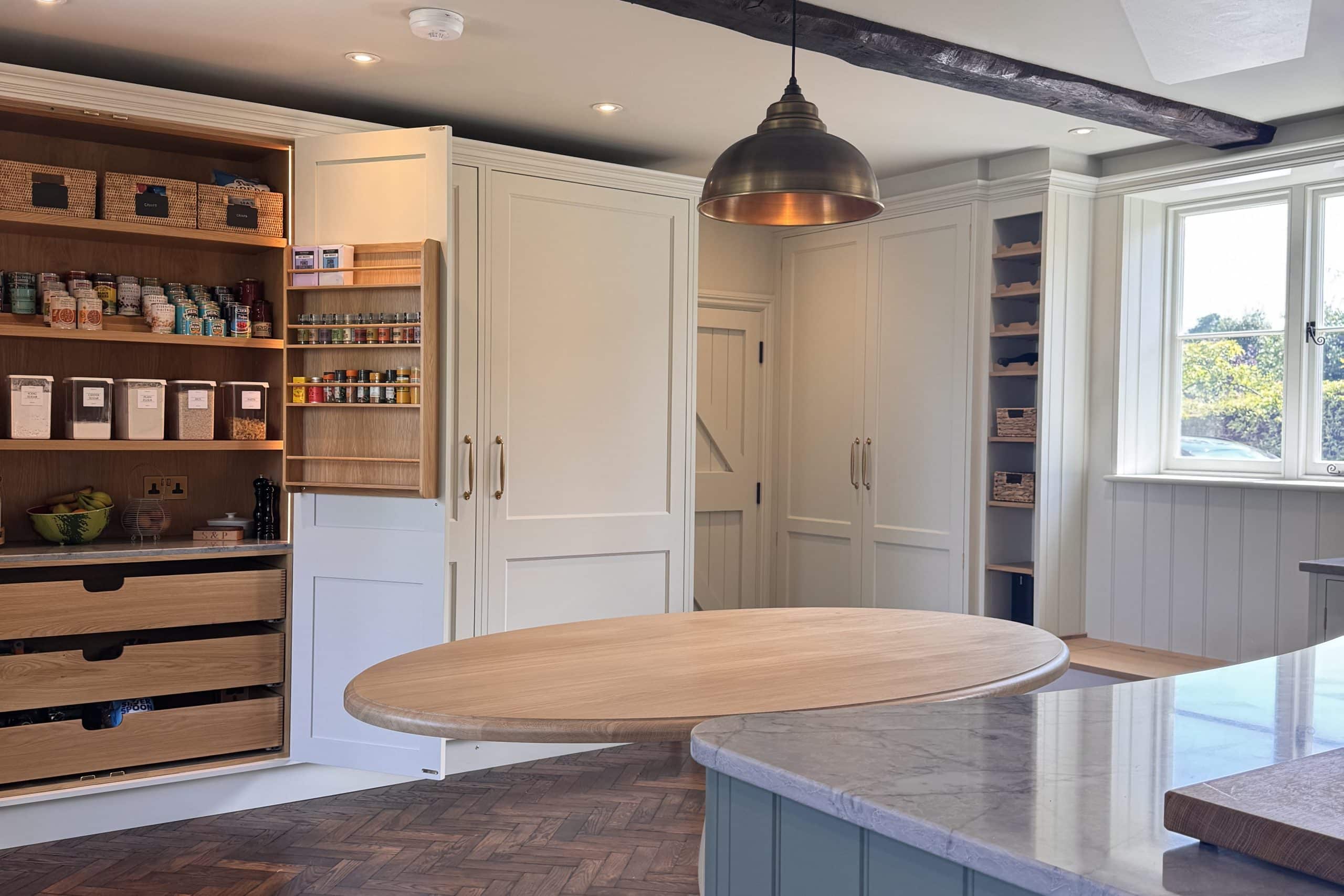
Having worked alongside several Rencraft projects, one of the things I admire most is the consideration given to how a space functions as well as how it looks. Whether it’s a bespoke kitchen, pantry, utility room, boot room, dressing room or fitted storage elsewhere in the home, their joinery is designed around the needs of the people using it. Deep drawers where they’re needed, clever internal solutions and layouts tailored to the routines of the household create spaces that feel intuitive and easy to use.
When I work with clients following a renovation or installation, my role is often to help bridge the gap between beautiful design and daily living. Together, we establish practical systems that make the most of the storage already available, creating designated homes for everything from breakfast essentials and lunchbox supplies to seasonal clothing, household paperwork and family belongings.
The goal isn’t perfection. In fact, perfection rarely survives family life. Instead, it’s about creating spaces that support the rhythms of the household. Rooms where everyone knows where things belong. Where surfaces stay clearer because storage is easier to use. Where putting things away requires less effort than leaving them out. The most successful spaces aren’t necessarily the ones that look immaculate in a photograph. They’re the ones that continue to function beautifully months and years later, adapting as families grow and routines change.
At Home Edited, we focus on creating sustainable systems tailored to the people living in the home. Whether we’re organising a newly installed pantry, designing systems for a utility room or helping a family settle into bespoke fitted storage throughout their home, our aim is always the same: to make organisation feel effortless to maintain, not another task on an already busy to-do list.
Good design creates the framework and thoughtful organisation brings it to life. When the two come together, the result is something far more valuable than a tidy home: a home that feels calmer, lighter and easier to live in.
Kate is a regular guest at our exclusive showroom events in Tunbridge Wells, so if you would like to learn more about how to detox your home whilst sipping on a glass of chilled Kent wine and enjoying a delicious canapé, make sure you sign up to our guest list.
This summery cast iron skillet pizza recipe is served up by our friends at Borough Kitchen. The delicious offering from Cook School Head Chef, Grace features a vibrant pumpkin seed pesto base, topped with sliced peaches and fresh burrata cheese.
“A Lodge Cast Iron skillet is must-have tool for homemade pizza, as it is effectively three tools at once: a pizza stone (for a crispy base), a pizza pan (for creating a perfect round shape), and pizza peel (for easy transport and and out of the oven). Compatible with covered BBQs and wood-fired pizza ovens, it’s an outdoor entertaining essential.”
This recipe serves 2–4 (in a 26cm cast iron skillet).

Pumpkin Seed Pesto
• 2 cloves garlic
• 60g pumpkin seeds, toasted
• 80g Parmesan
• 120ml olive oil
• 80g basil leaves, shredded
• Salt, to taste
Pizza Dough
• 190g bread flour, divided
• 4g fast action yeast
• ½ tsp (2g) salt
• 150ml lukewarm water
• 1 tsp (4g) honey
• ½ tbsp (7g) olive oil
Topping
• 3 peaches, sliced
• 200g burrata or stracciatella cheese
• 30g mint leaves, shredded
• Salt, to taste
• Olive oil and balsamic glaze, for drizzling

1. Make the Pesto: Grind garlic with a pinch of salt, then grind in the toasted pumpkin seeds. Add basil pinch by pinch and grind, followed by the Parmesan. Finish by grinding in the olive oil, bit by bit. Taste and add more salt if needed.
2. Make the Pizza Dough: Pre-heat oven to 230°C fan. In a large bowl, mix 95g bread flour with yeast and salt. In a separate bowl, mix honey with lukewarm water and add to the flour-yeast mixture. Add the olive oil and mix with a wooden spoon for 3 minutes. Add the remaining flour and mix until incorporated. The dough should feel slightly sticky. On a floured surface, knead for about 5 minutes until smooth and elastic. Place in a lightly oiled bowl, cover with cling film, and let rise for 10 minutes in a warm place. Punch down, rise for another 10 minutes. Punch down again and spread by hand or roller into your 26cm cast iron pan.
3. Top and Bake: Spread pesto over the base, add peach slices, and bake for 10–12 minutes until the crust is golden brown.
4. Prepare Mint Salad: While the pizza bakes, toss mint leaves with olive oil, balsamic glaze, and salt.
5. Finish and Serve: Take pizza out of the oven, scatter with burrata and mint salad, and serve.
• You can make your own balsamic glaze by reducing 50ml of balsamic vinegar with 1 tsp of caster sugar for 3 minutes over a low heat until sweet and sticky.
• Always add the burrata after baking. Because it is a high-moisture cheese, baking it will make your pizza soggy.
RENCRAFT AT HOME
This summery cast iron skillet pizza recipe is served up by our friends at Borough Kitchen. The delicious offering from Cook School Head Chef, Grace features a vibrant pumpkin seed pesto base, topped with sliced peaches and fresh burrata cheese.
“A Lodge Cast Iron skillet is must-have tool for homemade pizza, as it is effectively three tools at once: a pizza stone (for a crispy base), a pizza pan (for creating a perfect round shape), and pizza peel (for easy transport and and out of the oven). Compatible with covered BBQs and wood-fired pizza ovens, it’s an outdoor entertaining essential.”
This recipe serves 2–4 (in a 26cm cast iron skillet).
Pumpkin Seed Pesto
• 2 cloves garlic
• 60g pumpkin seeds, toasted
• 80g Parmesan
• 120ml olive oil
• 80g basil leaves, shredded
• Salt, to taste
Pizza Dough
• 190g bread flour, divided
• 4g fast action yeast
• ½ tsp (2g) salt
• 150ml lukewarm water
• 1 tsp (4g) honey
• ½ tbsp (7g) olive oil
Topping
• 3 peaches, sliced
• 200g burrata or stracciatella cheese
• 30g mint leaves, shredded
• Salt, to taste
• Olive oil and balsamic glaze, for drizzling
1. Make the Pesto: Grind garlic with a pinch of salt, then grind in the toasted pumpkin seeds. Add basil pinch by pinch and grind, followed by the Parmesan. Finish by grinding in the olive oil, bit by bit. Taste and add more salt if needed.
2. Make the Pizza Dough: Pre-heat oven to 230°C fan. In a large bowl, mix 95g bread flour with yeast and salt. In a separate bowl, mix honey with lukewarm water and add to the flour-yeast mixture. Add the olive oil and mix with a wooden spoon for 3 minutes. Add the remaining flour and mix until incorporated. The dough should feel slightly sticky. On a floured surface, knead for about 5 minutes until smooth and elastic. Place in a lightly oiled bowl, cover with cling film, and let rise for 10 minutes in a warm place. Punch down, rise for another 10 minutes. Punch down again and spread by hand or roller into your 26cm cast iron pan.
3. Top and Bake: Spread pesto over the base, add peach slices, and bake for 10–12 minutes until the crust is golden brown.
4. Prepare Mint Salad: While the pizza bakes, toss mint leaves with olive oil, balsamic glaze, and salt.
5. Finish and Serve: Take pizza out of the oven, scatter with burrata and mint salad, and serve.
• You can make your own balsamic glaze by reducing 50ml of balsamic vinegar with 1 tsp of caster sugar for 3 minutes over a low heat until sweet and sticky.
• Always add the burrata after baking. Because it is a high-moisture cheese, baking it will make your pizza soggy.
Traditionally baked for Easter, Hot Cross Buns date back centuries, with their iconic cross said to symbolise the crucifixion and their warm blend of spices marking the end of Lent. Over time, they’ve become more than just a seasonal bake and are now a comforting ritual, best enjoyed toasted with a generous spread of butter.
This recipe takes that familiar comfort and turns it into something just a little more indulgent which is perfect for a quiet weekend or an Easter gathering. By transforming hot cross buns into a rich, golden bread and butter pudding, you get all those cosy notes of spice and sweetness wrapped in a silky custard, with crisp edges and a soft, melt-in-the-middle centre.

· 8 Hot Cross Buns
· 100g unsalted butter, cut into cubes
· 6 eggs
· 200g caster sugar
· 1 vanilla pod, split lengthways and deseeded
· 500ml whole milk
· 500ml double cream
To serve: a big dollop of cream or a generous scoop of vanilla ice cream

Preheat the oven to 160°C.
Prepare the buns by breaking them into rough pieces and arranging them in a deep ovenproof dish. Dot the cubes of unsalted butter in between the chunks.
Now make the custard. In a large bowl, whisk together the eggs, caster sugar and the seeds from the vanilla pod until well combined. Pour in the whole milk & double cream and stir until everything is incorporated.
Pour the custard evenly over the buns and press them down gently so they absorb the liquid. Leave to soak for at least an hour, but preferably overnight in the fridge.
When you’re ready, transfer the dish to the oven and bake for 45–60 minutes, until the custard is just set. To check, pierce the centre with a knife – there should be no liquid underneath.
To serve: Add a good glug of double cream or custard, or even a giant dollop of ice cream, if you prefer.
This pudding is also delicious cold, if you’ve got any left over!
